

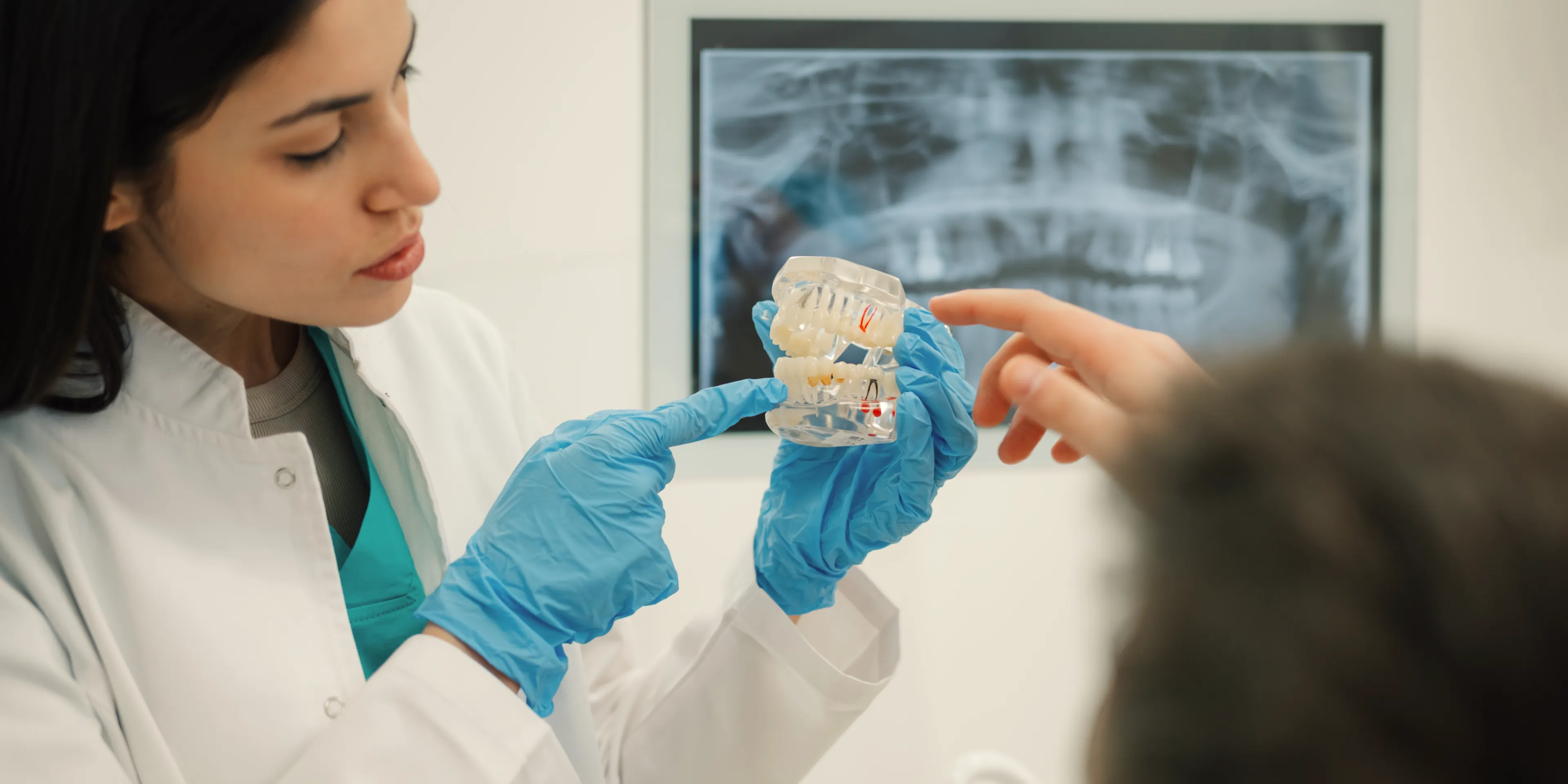
Root Canal Treatment in Dyer, IN
There are no reviews at the moment.
What a Root Canal Actually Does
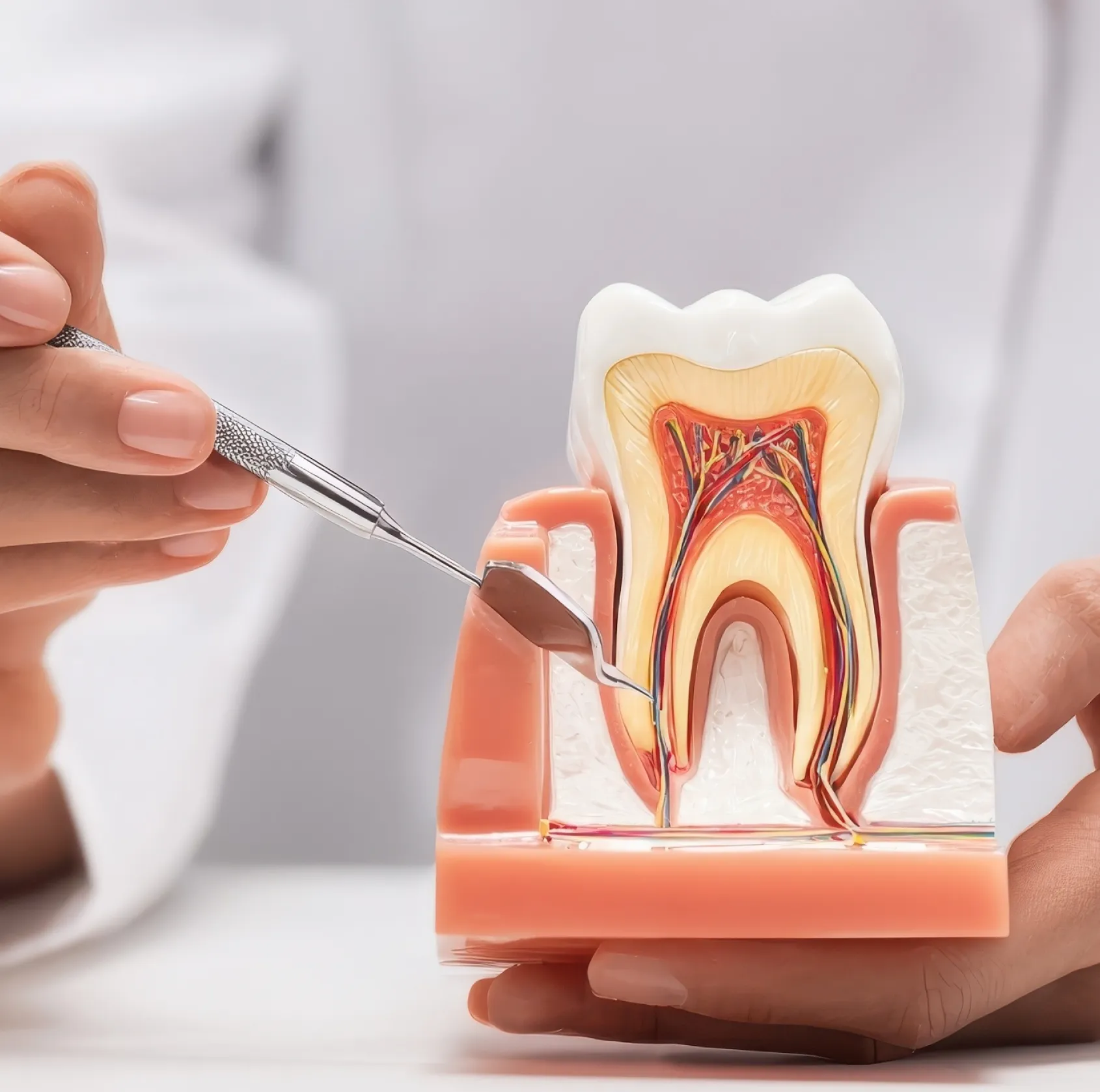
Inside every tooth is a soft layer of tissue called the pulp. It contains nerves and blood vessels that help the tooth develop. When that tissue becomes infected or inflamed from deep decay, a crack, or trauma, it causes the kind of pain that is hard to ignore.
A root canal removes the infected pulp, cleans the inside of the tooth, and seals it to prevent further infection. The tooth stays in place. Your bite stays intact. And the pain that brought you in goes away.
The Procedure Feels Like a Filling
With modern numbing techniques, most patients feel pressure during treatment but no pain. The discomfort you felt before the root canal is almost always worse than the procedure itself.
Your Comfort Is Built Into the Visit
Once you are numb and settled in, help yourself to noise-canceling headphones, a weighted blanket, and Netflix. Dr. Simon checks in throughout the appointment so you always feel in control.


Everything Stays in One Place
Dr. Simon performs the root canal and places the crown here at Smile Haus. No referrals, no unfamiliar offices, no starting over with someone new.
Insurance Made Simple
Signs You Might Need a Root Canal
Not every toothache means you need a root canal, but these symptoms are worth getting checked:
- Persistent or severe tooth pain, especially when biting down
- Sensitivity to hot or cold that lingers after the source is removed
- A tooth that has darkened or changed color
- Swelling or tenderness in the gums near a specific tooth
- A pimple-like bump on the gum that keeps coming back
If something feels off, call Smile Haus. Dr. Simon will take a look and tell you exactly what is going on.

Why Saving the Tooth Matters
Losing a tooth sets off a chain reaction. Neighboring teeth begin to shift. Your bite changes. Bone in the jaw starts to break down without a root to support it. What starts as one problem quietly creates several more over time.
A root canal stops that from happening. It gives you back a fully functioning tooth that, with proper care, can last for the rest of your life.





What to Expect When You Get a Root Canal
Exam and Diagnosis
Dr. Simon reviews your symptoms and takes digital X-rays to assess the tooth. CBCT imaging is available for cases that need a more detailed three-dimensional view. He explains what he finds in plain terms before anything is scheduled.
Getting Comfortable
Local anesthesia is applied to fully numb the area. Dr. Simon takes his time here. Treatment does not start until you are completely comfortable.
Removing the Infected Tissue
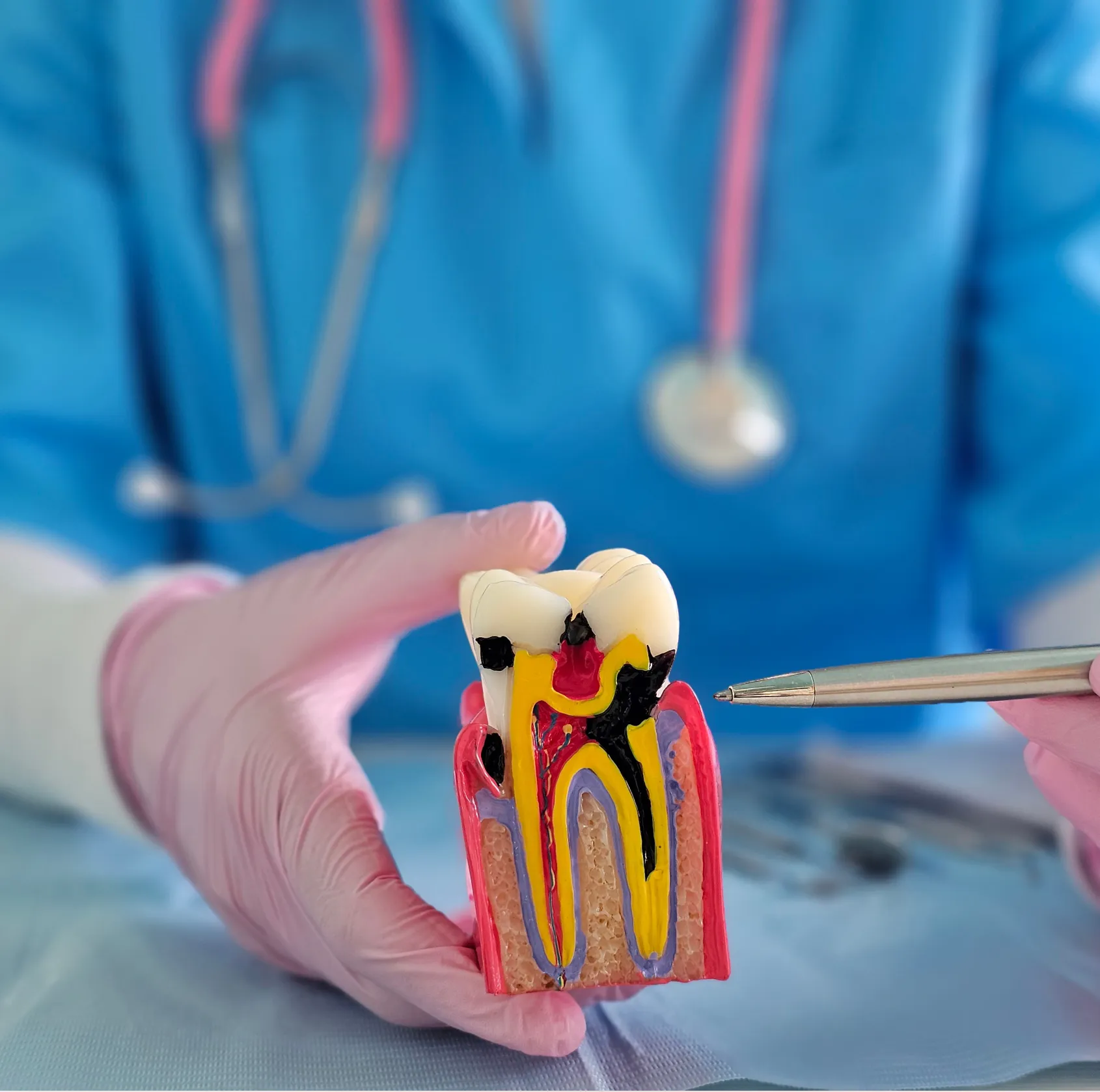
A small opening is made in the top of the tooth to access the pulp. The infected tissue is carefully removed, and the inside of the tooth is cleaned and shaped.
Sealing the Tooth
The cleaned canals are filled with a biocompatible material called gutta-percha and sealed to prevent future infection. A temporary filling closes the tooth while your permanent crown is being made.
Crown Placement
Most teeth that have had a root canal need a crown to protect them from fracture. Dr. Simon handles this in-house at a follow-up appointment. You leave with a fully restored tooth that looks and functions like the real thing.
What Recovery Looks Like
Mild soreness in the area for a few days after treatment is normal. Over-the-counter pain relievers handle it well for most patients. Avoid chewing on the treated tooth until your crown is placed, and stick to softer foods for the first day or two.
Most patients return to their normal routine the next day. If anything feels off during recovery, the team at Smile Haus is easy to reach.
What Makes Smile Haus different

Personalized Care
Your care plan is based on what makes sense for you, not a one-size-fits-all approach.


Guests, Not Numbers
Here, you are treated like a person with real concerns, not just another name on the schedule.
No Lectures
We explain your options, answer your questions, and help you achieve your goals.

Frequently Asked Questions
How painful is a root canal?
A root canal is much easier than most people expect. You are fully numb during the visit, so you should not feel pain. Most patients say the relief they feel after treatment is the biggest difference.
How do I know if I need a root canal in Dyer, IN?
If your tooth keeps hurting, feels sensitive to temperature, or your gums look swollen, it is time to get it checked. Dr. Simon will take a close look and explain what is going on in a way that makes sense.
How long does a root canal take?
Most appointments take about an hour to an hour and a half. Some teeth need more time depending on the condition. You will know the plan before anything starts.
What happens during a root canal procedure?
Your tooth is gently numbed so you stay comfortable. The infected area inside the tooth is removed, then the space is cleaned and sealed. This stops the infection and protects your tooth.
Will I need a crown after my root canal?
In most cases, yes. A crown covers the tooth and keeps it strong when you bite and chew. It helps your tooth feel normal again.
Can I go back to work after a root canal?
Yes, most patients go right back to their day. You might feel a little sore later, but it is usually mild and easy to manage.
What happens if I delay a root canal?
Waiting can make the problem worse. The infection can spread and the pain can increase. Acting early gives you the best chance to save your tooth.
How long does a tooth last after a root canal?
With good care, your tooth can last for many years. Brushing, flossing, and regular visits all help keep it in good shape.
Why should I save my tooth instead of removing it?
Keeping your natural tooth helps you chew comfortably and keeps your other teeth in place. It also helps protect your jaw over time.
What should I expect during recovery?
You may feel a little sore for a few days, but most people feel much better quickly. Once the infection is gone, you can get back to eating and smiling with confidence.
Conveniently located in Dyer, IN


You will find Smile Haus Dental Studio at 10108 Mondorf Road in Dyer, across from Speedway, and convenient for patients in St. John, Cedar Lake, Crown Point, and Munster.
Free parking on site for a simple, stress-free arrival.
